
Caring for a disabled spouse transforms your relationship in profound ways. You shift from being a partner to becoming both a partner and a primary caregiver, navigating medical appointments, insurance claims, and daily care routines while maintaining the emotional connection that brought you together.
The transition isn’t always smooth. Many spouses find themselves unprepared for the physical, emotional, and financial demands of caregiving. You might feel overwhelmed by medical terminology, frustrated with insurance processes, or exhausted from the constant responsibility. These feelings are completely normal and shared by millions of family caregivers across the country.
This comprehensive guide will walk you through the essential steps to become an effective caregiver for your disabled spouse. We’ll cover everything from understanding legal requirements and accessing government assistance to developing practical caregiving skills and protecting your own well-being. Whether your spouse has a progressive condition like dementia, a physical disability, or a chronic illness, you’ll find actionable strategies to provide the best possible care at home.
The journey ahead requires preparation, patience, and self-compassion. But with the right knowledge and resources, you can create a caregiving plan that honors your spouse’s dignity while preserving your own health and happiness.
Understanding Your Role as a Family Caregiver
Legal and Financial Considerations
Before diving into hands-on care, you need to establish your legal authority to make decisions on your spouse’s behalf. This process varies depending on your spouse’s cognitive abilities and the severity of their disability.
If your spouse can still make decisions independently, consider establishing a durable power of attorney for healthcare and finances. This legal document allows you to act on their behalf if they become incapacitated later. For spouses with conditions like early-stage dementia, creating these documents while they can still provide informed consent is crucial.
When your spouse cannot make decisions due to cognitive impairment, you may need to pursue guardianship through the court system. This legal process grants you the authority to make medical, financial, and personal decisions. While more complex than power of attorney, guardianship provides comprehensive decision-making authority when needed.
Understanding your spouse’s insurance coverage forms the foundation of effective care management. Start by thoroughly reviewing their health insurance policy, noting covered services, co-pays, and annual deductibles. Many insurance plans cover home health services, medical equipment, and physical therapy when prescribed by a physician.
Contact your insurance company to understand the prior authorization process for medical equipment and services. This knowledge prevents delays when your spouse needs wheelchairs, hospital beds, or specialized medical devices. Keep detailed records of all insurance communications, including representative names and reference numbers.
Government Assistance for Family Caregivers
How to Apply for Caregiver Disability Support
The government offers several programs specifically designed to support family caregivers. Understanding how to access these resources can significantly reduce the financial burden of caregiving while ensuring your spouse receives quality care.
Social Security Disability Insurance (SSDI) provides monthly payments to individuals who cannot work due to disability. If your spouse worked and paid into Social Security, they may qualify for SSDI benefits. The application process typically takes several months, so apply as soon as your spouse’s condition meets the Social Security Administration’s definition of disability.
Supplemental Security Income (SSI) offers financial assistance to disabled individuals with limited income and resources. Unlike SSDI, SSI doesn’t require previous work history, making it accessible to spouses who didn’t work outside the home or had limited employment.
Medicaid provides comprehensive healthcare coverage for low-income individuals, including many services not covered by traditional insurance. Medicaid often covers home health aides, medical equipment, and prescription medications. Each state administers its own Medicaid program, so eligibility requirements and covered services vary by location.
State and Local Caregiver Programs
Many states offer additional support programs for family caregivers. These programs might provide respite care, caregiver training, support groups, and financial assistance for home modifications.
The National Family Caregiver Support Program, administered through local Area Agencies on Aging, offers services to family caregivers of adults aged 60 and older. Services include information and assistance, access to support groups, caregiver training, respite care, and supplemental services like home-delivered meals.
Contact your state’s Department of Aging or Disability Services to learn about local programs. Many offer sliding-scale fees based on income, making services accessible to families with varying financial situations.
Developing Essential Caregiving Skills
Medical Care Management
Becoming proficient in medical care management requires both organizational skills and basic medical knowledge. Start by creating a comprehensive medical binder containing your spouse’s diagnoses, medications, allergies, emergency contacts, and insurance information. This binder becomes invaluable during medical emergencies or when communicating with new healthcare providers.
Learn to track and administer medications safely. Use pill organizers, medication apps, or written charts to prevent missed doses or dangerous interactions. Understand each medication’s purpose, side effects, and administration instructions. Never hesitate to contact your spouse’s doctor or pharmacist with questions about medications.
Master basic health monitoring techniques like taking blood pressure, checking blood sugar levels, or monitoring oxygen saturation, depending on your spouse’s conditions. These skills help you identify potential health issues early and provide valuable information to healthcare providers.
Personal Care Assistance
Providing personal care while maintaining your spouse’s dignity requires sensitivity and proper technique. Start with less invasive tasks like helping with meal preparation or medication reminders before progressing to more intimate care needs.
For mobility assistance, learn proper body mechanics to prevent injury to both you and your spouse. Physical therapists can teach you safe transfer techniques, proper use of mobility devices, and exercises to maintain your spouse’s strength and flexibility.
Bathroom assistance often presents the biggest emotional challenge for both spouses. Consider practical modifications like grab bars, shower chairs, and raised toilet seats to maintain independence as long as possible. When hands-on assistance becomes necessary, focus on preserving dignity through privacy, gentle communication, and consistent routines.
How to Be a Caregiver for Someone with Dementia
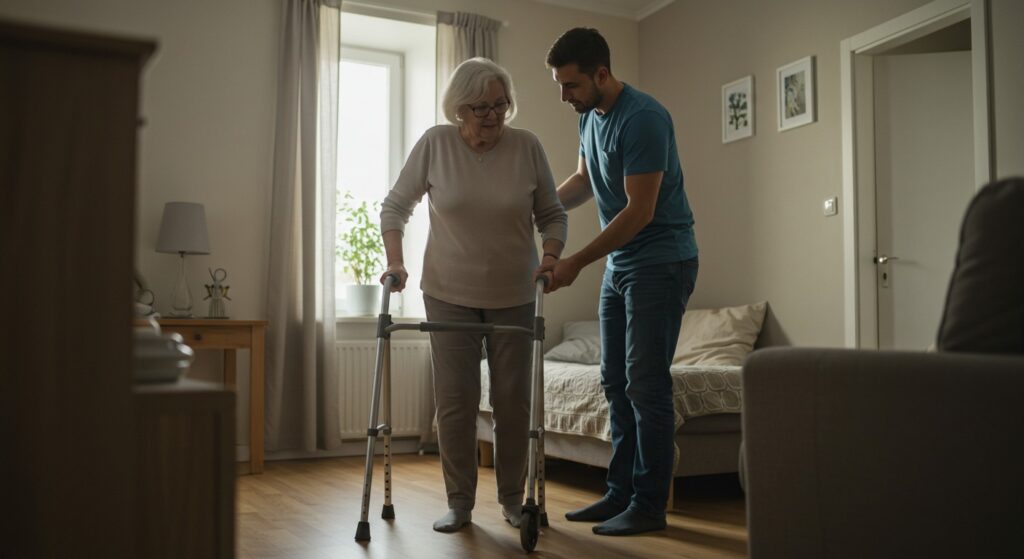
Caring for a spouse with dementia requires specialized knowledge and approaches different from other disabilities. Dementia caregiving focuses heavily on managing behavioral changes, maintaining safety, and adapting to progressive cognitive decline.
Creating a Safe Environment
Dementia affects judgment and spatial awareness, making home safety modifications essential. Remove or secure potentially dangerous items like knives, cleaning supplies, and medications. Install door alarms or locks to prevent wandering, a common and dangerous behavior in dementia patients.
Simplify the home environment by reducing clutter and creating clear pathways. Use labels with words and pictures to help your spouse identify rooms and important items. Maintain consistent lighting throughout the day, as shadows and dim lighting can increase confusion and agitation.
Communication Strategies
Effective communication with someone who has dementia requires patience and flexibility. Speak slowly and clearly, using simple sentences and familiar words. Maintain eye contact and use gentle touches to capture attention when appropriate.
Avoid arguing or correcting your spouse when they’re confused or remember things incorrectly. Instead, redirect conversations to positive topics or engage in activities they enjoy. Use validation techniques that acknowledge their feelings even when their perceptions don’t match reality.
Establish consistent daily routines that provide structure and reduce anxiety. Familiar activities like listening to favorite music, looking at family photos, or participating in simple household tasks can provide comfort and maintain connection.
Managing Challenging Behaviors
Behavioral changes like agitation, aggression, or depression are common in dementia and often indicate unmet needs. Before reacting to difficult behaviors, consider possible causes: pain, hunger, fatigue, overstimulation, or the need for toileting.
Document behavioral patterns to identify triggers and effective interventions. Share this information with your spouse’s healthcare team, as medications or environmental changes might help manage challenging behaviors.
Building Your Support Network
Professional Support Services
Even dedicated family caregivers need professional support to provide optimal care. Home health aides can assist with personal care, light housekeeping, and companionship. Many insurance plans cover these services when prescribed by a physician.
Adult day programs provide structured activities and social interaction for your spouse while giving you respite time. These programs often include health monitoring, meals, and therapeutic activities tailored to specific conditions.
Consider hiring private caregivers for additional support during challenging periods. Many agencies provide trained caregivers who can assist with specific tasks or provide overnight care when needed.
Family and Community Resources
Don’t hesitate to accept help from family and friends. Create a list of specific tasks others can handle, like grocery shopping, meal preparation, or transportation to appointments. Many people want to help but don’t know what you need.
Join caregiver support groups either in person or online. Connecting with others who understand your challenges provides emotional support and practical advice. Many organizations offer support groups specific to certain conditions like Alzheimer’s disease, Parkinson’s disease, or stroke recovery.
Religious organizations and community groups often provide volunteer services for caregivers. These might include respite care, meal delivery, or assistance with household tasks.
Protecting Your Own Well-being
Physical Health Maintenance
Caregiving demands significant physical energy, making your health maintenance crucial. Schedule regular medical checkups and don’t postpone addressing your own health concerns. Many family caregivers neglect their health, leading to burnout and decreased ability to provide care.
Maintain a regular exercise routine, even if it’s just walking around your neighborhood or doing yoga videos at home. Physical activity reduces stress, improves mood, and maintains the strength you need for caregiving tasks.
Prioritize adequate sleep by establishing bedtime routines and addressing sleep disruptions promptly. Consider respite care services if your spouse’s needs frequently interrupt your sleep.
Emotional and Mental Health Support
Caregiver stress, anxiety, and depression are common and treatable conditions. Don’t hesitate to seek professional counseling to develop coping strategies and process the complex emotions that accompany caregiving.
Practice stress management techniques like deep breathing, meditation, or journaling. These tools help manage daily stress and prevent emotional overwhelm during crisis situations.
Maintain relationships and activities outside of caregiving when possible. Social connections and personal interests provide necessary emotional balance and prevent caregiver isolation.
Financial Planning and Resource Management
Long-term Care Costs
Caring for a disabled spouse often involves significant ongoing expenses. Create a realistic budget that accounts for medical costs, home modifications, assistive devices, and potential care services. Research suggests that families spend an average of $1,986 annually on out-of-pocket caregiving expenses.
Investigate long-term care insurance options if your spouse doesn’t already have coverage. While you cannot purchase coverage after a disability diagnosis, you might discover existing policies that provide benefits for home care services.
Consider consulting with a financial planner who specializes in disability planning. They can help you navigate complex benefit systems and develop strategies to preserve assets while accessing necessary care.
Home Modifications and Equipment
Many insurance plans and government programs cover medically necessary home modifications and equipment. Work with occupational therapists to assess your home and recommend appropriate modifications like ramps, stair lifts, or bathroom safety equipment.
Research grants and loan programs for home modifications. Organizations like Rebuilding Together and local disability advocacy groups sometimes provide free or low-cost home modifications for qualifying families.
Creating a Comprehensive Care Plan
Daily Routine Development
Establish structured daily routines that balance care tasks with meaningful activities. Consistent schedules reduce anxiety for both you and your spouse while ensuring important care tasks are completed regularly.
Build flexibility into your routines to accommodate medical appointments, therapy sessions, and unexpected health changes. Having backup plans reduces stress when original plans need modification.
Emergency Preparedness
Develop comprehensive emergency plans that address potential medical crises, natural disasters, and caregiver emergencies. Keep emergency contact lists easily accessible and ensure family members know your emergency procedures.
Create detailed care instructions for temporary caregivers or family members who might need to step in during emergencies. Include medication schedules, daily routines, and important medical information.
Moving Forward with Confidence
Becoming a caregiver for your disabled spouse represents both a challenge and an opportunity to demonstrate love in its most practical form. The skills you develop, resources you access, and support systems you build will serve you throughout your caregiving journey.
Remember that effective caregiving is a marathon, not a sprint. Give yourself permission to learn gradually, make mistakes, and ask for help when needed. Your dedication to providing quality home care demonstrates remarkable love and commitment.
Start by taking one step at a time: assess your current situation, identify immediate needs, and connect with local resources. Each small action builds toward a comprehensive care plan that supports both you and your spouse.
The road ahead may have unexpected turns, but with proper preparation and ongoing support, you can navigate this journey successfully while maintaining the loving relationship that forms the foundation of your marriage.
Conclusion and Call to Action:
Becoming a caregiver for a disabled spouse is both an act of love and a journey that requires patience, strength, and support. By learning essential caregiving skills, setting up a safe home environment, and prioritizing both your spouse’s and your own well-being, you can create a stable and nurturing space at home.
Remember, you don’t have to do this alone seeking guidance, resources, and emotional support is a sign of strength, not weakness.
Frequently Asked Questions (FAQ)
Caring for a Disabled Spouse: Guidance for Family Caregivers
1. What does it mean to be a caregiver for a disabled spouse?
Being a caregiver for your disabled spouse means taking on additional responsibilities beyond your role as a partner. You help manage medical care, daily activities, finances, and emotional support while ensuring your spouse maintains dignity and quality of life.
2. How do I start preparing to care for my spouse at home?
Begin by organizing important documents, such as medical records, insurance policies, and legal authorizations like power of attorney. Create a care plan that includes medical needs, safety measures, and daily routines. It’s also important to learn basic caregiving skills and connect with local support resources early on.
3. What legal steps should I take as my spouse’s caregiver?
Depending on your spouse’s condition, you may need to establish a durable power of attorney or guardianship to make healthcare and financial decisions. It’s best to set these up while your spouse can still provide consent. Consult a lawyer or elder law specialist to ensure everything is legally sound.
4. What types of financial or government assistance are available?
Several programs can help, including:
- Social Security Disability Insurance (SSDI) – for spouses who have worked and contributed to Social Security.
- Supplemental Security Income (SSI) – for low-income individuals with disabilities.
- Medicaid – for healthcare coverage and in-home care services.
- National Family Caregiver Support Program – offers respite care, training, and financial help.
Each program has different eligibility requirements, so check your local and state offices for details.
5. How can I manage my spouse’s medical care effectively?
Keep a medical binder that includes diagnoses, medications, emergency contacts, and doctor notes. Learn how to track medications, monitor vital signs, and communicate clearly with healthcare providers. Staying organized helps prevent medical errors and ensures continuity of care.