Photo by stockking
For many millennials who are balancing work and caregiving, life can feel more like an impossible juggling routine than anything else.
The demands of a career, the needs of children, and the growing responsibility of aging parents create a constant pull in different directions.
This is the reality of being part of the “sandwich generation,” where one must manage the needs of two generations while also trying to maintain a sense of self. This careful balancing act is not a temporary phase but a long-term reality for millions who are in situations requiring delicate management of competing priorities.
Across different cultures and economic backgrounds, the core challenge remains the same: how to manage the juggling of responsibilities without falling apart.

Photo by Jsme MILA
The Heavy Weight of Dual Demands
The weight of this careful balancing act often falls hardest on women, who still spend significantly more hours per week providing care to parents than men do. They experience more time-based conflict, where the hours simply don’t exist to meet all obligations.
This entanglement, which can happen to anyone, leads to work interruptions and a feeling of constant stress. The conflict is not just a scheduling problem but a mental one. A person’s psychological well-being can also be deeply impacted, leading to emotional exhaustion and burnout. When you are unable to balance your commitments, you feel as if you are in a tightrope act.
For many, the constant pressure makes it hard to enjoy any role fully.
Caregivers are often at work worrying about home and at home worrying about work. This internal conflict is a hallmark of the careful balancing act, a state of mind that leaves little room for personal peace.
To be a caregiver is to be on a fine line between being a good employee and a good family member.
Strategies for Keeping Steady Under Pressure
Finding a way to keep steady under pressure is essential. Flexibility at work is one of the most effective coping strategies, and employers who understand the demands of caregiving and offer flexible work arrangements can significantly reduce work-life conflict.
What this could mean is possibly adjusted working hours, the possibility of doing remote work, and/or being placed under a supportive supervisor who understands your situation. Just any one of these can do wonders for balance.
Having a support network serves as a buffer against the strain.
For many, the key to this careful balancing act is learning how to delegate tasks and let go of the need to do everything perfectly. As one pharmacist noted, when facing a tough decision, she would ask herself who would care about it in five days, five months, or five years. This perspective helps prioritize what truly matters.

Find Encouragement in the Caregiving Journey
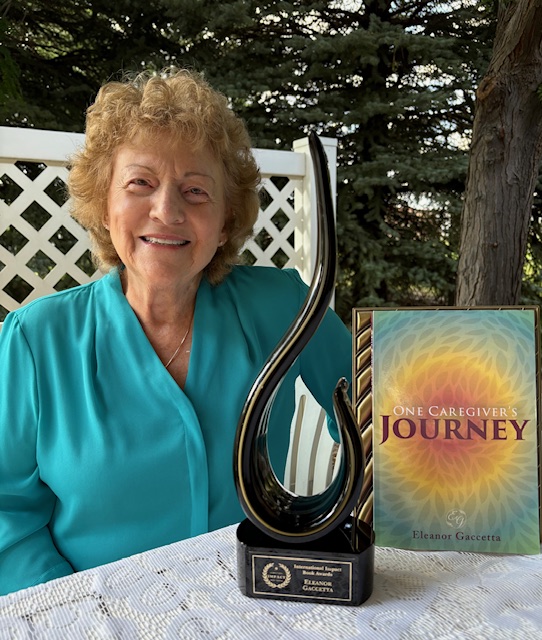
One Caregiver’s Journey
By Eleanor Gaccetta
Genre: Memoir / Family Caregiving
Caring for a loved one can bring moments of joy, exhaustion, and uncertainty. In One Caregiver’s Journey, Eleanor Gaccetta shares heartfelt memories, humor, and practical insights from nine and a half years of caring for her mother. Discover a personal story that reminds caregivers they are not alone.
Find Your Copy on AmazonThe Personal Toll and the Need for Self-Care
The emotional toll of caregiving can be immense—more than what you expect it to be and more than what you’d be willing to let others know. Many caregivers feel they are constantly failing, leading to record levels of anxiety and depression.
Thus, the pursuit of balance can often feel like a losing battle, with many caregivers feeling they are just rearranging the chaos rather than finding a more permanent solution.
For the caregiver, finding time for self-care is not a luxury but a necessity.
The ability to adapt to changing demands is more crucial than merely trying to balance everything. What this means is that, sometimes, we have to accept that sometimes the house will be messy, meals will be simple, and some things will have to wait.
Caring for oneself is a vital part of the careful balancing act that allows caregivers to sustain their energy and compassion over the long haul.
Finding Wisdom in Experience
The journey of a caregiver is unique, yet there are common threads.
As one person wisely stated, “Life’s a great balancing act”.
This sentiment is echoed by those who have been through the ordeal. Yet, the reality is that you can’t put yourself in someone else’s shoes; you don’t know the battles they are secretly fighting.
Everyone is just trying to do their best, in their own way.
Eleanor Gaccetta documented the journey of her own struggle to find balance in One Caregiver’s Journey. Her experience shows that the path is filled with unpredictable moments: learning that “laughter is good for the soul” and searching for a balance that is a “peaceful existence in what is often a very trying situation.”
While not everyone has the same situation, looking for other perspectives is crucial for anyone struggling with the juggling of caregiving responsibilities.
A Case Study in Finding Balance
Gaccetta’s story is a testament to the realities of the careful balancing act. She left her career to care for her mother, committing to a 24/7 role for nine and a half years.
Her mother lived to be 102, and for all those years, Gaccetta was the sole caregiver.
In One Caregiver’s Journey, she writes about the isolation, the constant demands, and the struggle to maintain a sense of self while always being on the clock. This experience taught her that caring for another person is not just a job but a role that requires immense patience, humility, and a big dose of humor. She further details the “delicate equilibrium” she had to maintain, balancing her mother’s needs with her own sanity and learning to “find the balance necessary for a peaceful existence.”
Her experience is a powerful reminder that while caregiving takes a toll, it can also bring profound growth and gratitude.

Photo by Gustavo Fring
Finding Your Own Balance
The careful balancing act of caregiving is a marathon, not a sprint. Resilience, flexibility, and a willingness to ask for help are required above everything else. There’s no one-size-fits-all solution, but by learning from others, setting priorities, and making time for yourself, it is possible to navigate this challenging terrain.
The goal is not to do everything but to find a way to keep steady under pressure and find moments of peace.
A practical guide filled with hard-won wisdom, humor, and real-life strategies for surviving the careful balancing act of full-time care, Eleanor Gaccetta’s One Caregiver’s Journey is more than a memoir.
Learn from her 9.5-year journey and discover how to find peace amidst the chaos. Get your copy of One Caregiver’s Journey and start finding your own balance.