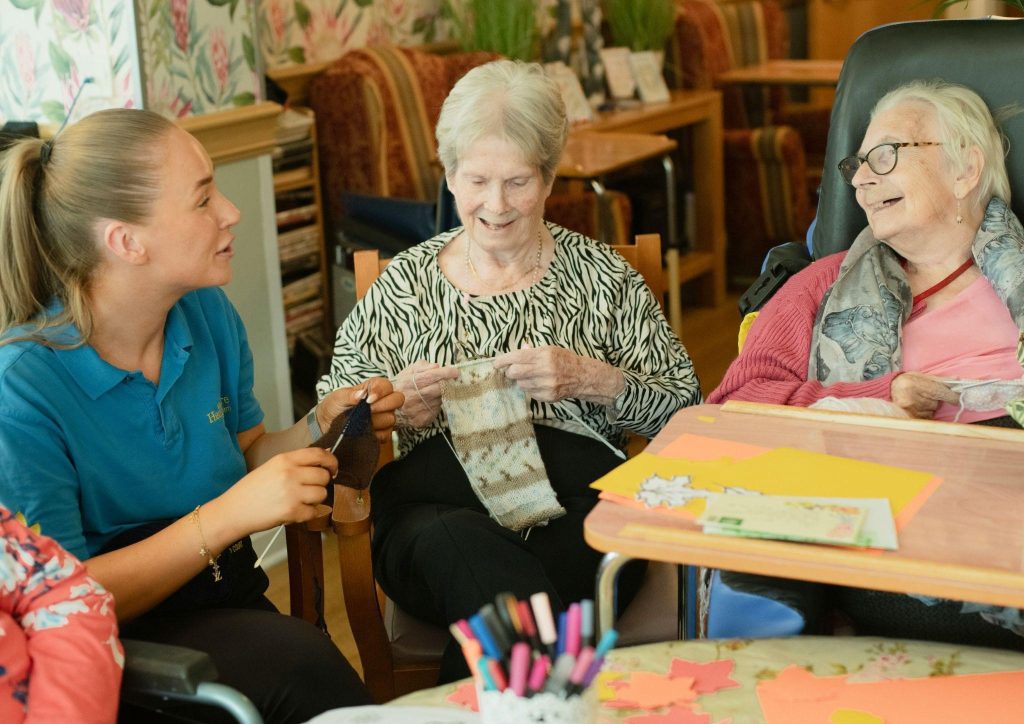
Photo by Age Cymru on Unsplash
Local social groups for caregivers give you a place to breathe, talk, listen, and feel like yourself again. You spend so much of your time supporting someone else that you forget what connection feels like. When you step into a room where people understand your world without long explanations, something inside you releases. You relax. You feel grounded. You feel seen.
You deserve that feeling every week.
Many caregivers look for dependable ways to stay balanced, and they turn to local social groups for caregivers because these spaces give them real relationships, practical support, and a sense of belonging. Strong caregiver community connections form when you spend time with people who understand your long days, your small victories, and your frustrations. These groups build confidence, steady your mind, and give you a break from the daily rush.
Overcoming caregiver isolation with social activities starts when you give yourself permission to show up. When you spend time with people who live a life similar to yours, you stop feeling alone. You start feeling connected, understood, and human again.
Below, you’ll find a full guide that helps you understand how local social groups for caregiver’s work, why they matter, and how you can join one that fits your personality and schedule.
To support your search even further, you can use resources like this high-authority caregiving hub: https://www.caregiver.org to find caregiver support near you.
Why Caregivers Need Social Groups That Understand Real Life
Caregiving changes how you move through the world. Your schedule shifts. Your priorities shift. Your relationships shift. You feel pressure that other people never notice. You carry fatigue that sits deep in your body.
You also spend hour after hour in a role that demands patience, kindness, and constant attention. That load grows heavier when you lack outside support. You stop talking about your own life because you feel like no one wants to hear about it. This silence becomes isolation. You feel it in the morning when you wake up tired and in the evening when you finally sit down, and your mind keeps running.
Local social groups for caregivers interrupt that cycle. These groups give you a safe place to release tension. You talk about what you’re facing. You listen to others who carry similar responsibilities. You trade small tips that make your week easier. You learn without pressure. You express yourself without worry.
This is how caregiver social wellness starts to grow. You strengthen your mental health through company, conversation, and consistency.
What Makes Local Caregiver Groups Different from General Social Clubs
General groups focus on hobbies, interests, or skills. They help you meet people, but they don’t always understand what your life looks like. When you need to leave early because your loved one needs medication, you sense confusion. When you talk about long nights, you see blank faces. That disconnect pushes you back into isolation.
Local social groups for caregivers remove that barrier. No one questions why you look tired. No one needs a long explanation when your phone rings. Everyone knows the emotional weight you carry without saying a word.
These differences give you space to exhale. You join conversations without pretending your life is easier than it is. You participate without adjusting your schedule to unrealistic expectations. The group meets your real needs, not the version of you that people imagine.
Types of Local Social Groups for Caregivers You Can Join
Every caregiver needs something different. Some need quiet conversation. Some want group activities. Some want faith-based support. Some want creative release. The best part is this: you choose the environment that fits your personality.
Below are common types of local social groups for caregivers that welcome new members.
1. Weekly Social Support Circles
These groups meet once a week for open conversation. You talk about your week, your concerns, and your victories. Many caregivers start here because it feels simple and safe.
2. Coffee and Connection Meetups
These meetups bring caregivers together in local cafés or community rooms. These gatherings offer community without the pressure of structure.
3. Activity-Based Groups
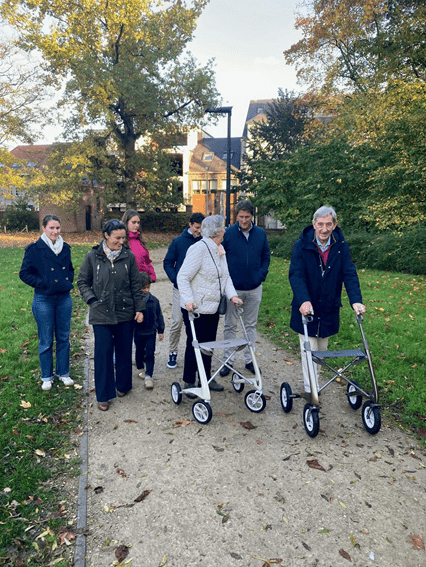
Some groups focus on crafts, walking, simple workouts, or gardening. You connect through shared activity, which gives you a mental break.
4. Faith-Based Support Groups
These spiritual groups help you strengthen your emotional resilience. You talk, pray, reflect, and find comfort in shared belief. Their focus stays on hope, acceptance, and emotional renewal.
5. Respite + Social Hybrid Groups
Some organizations offer short respite care while you attend a caregiver gathering. You relax and connect while someone trustworthy cares for your loved one in another room.
Every format exists to support you. You choose what feels right, and you adjust your involvement as your schedule changes.
How to Find Groups That Feel Comfortable for You
You want a group that respects your time and your emotional limits. You want a space that feels steady, warm, and judgment-free.
Here are practical steps that help you find the right fit:
- Search community centers in your area.
- Check listings at local clinics or hospitals.
- Ask religious organizations about caregiver gatherings.
- Look at notice boards in libraries or senior centers.
- Use online directories and trusted caregiver foundations.
- Ask another caregiver where they go for support.
Look for groups that keep their structure simple. Look for leaders who encourage open conversation without pressure. Look for members who listen with care and speak with honesty. When the group feels welcoming, you’ll know you found the right place.
What to Expect During Your First Visit
Walking into a new group always feels a little awkward, but caregiver groups stay warm and accepting. People know how heavy your week can feel. No one expects perfection. No one expects you to speak right away.
Here’s what you’ll notice on your first visit:
- People greet you with genuine interest.
- You hear stories that mirror your own.
- You feel less guarded than you expected.
- You learn small things that help you during the week.
- You leave feeling lighter.
Groups often include simple introductions, open conversation, and a topic or activity. You participate at your own pace. You stay quiet if you want. You share when you feel ready. You never rush. You let yourself settle in.
When you walk out, you feel the difference right away.
A Final Word of Encouragement
You give so much of yourself every day. You deserve rest, connection, and community. You deserve a place where you feel understood without long explanations. You deserve support that strengthens your mind and protects your peace.
When you join local social groups for caregivers, you offer yourself the care you often give to everyone else.
And if you want a companion for your journey, the book One Caregiver’s Journey by Eleanor Gaccetta offers exactly that. You sit with her as she shares nine and a half years of caregiving with honesty, warmth, and depth. You feel like you’re sitting in her living room while she talks about real challenges, real moments of joy, and real lessons that every caregiver needs. If you want a book that understands your caregiving life and helps you navigate it with more strength and confidence, this one belongs on your table. One Caregiver’s Journey is also available on Amazon and Barnes & Noble!