

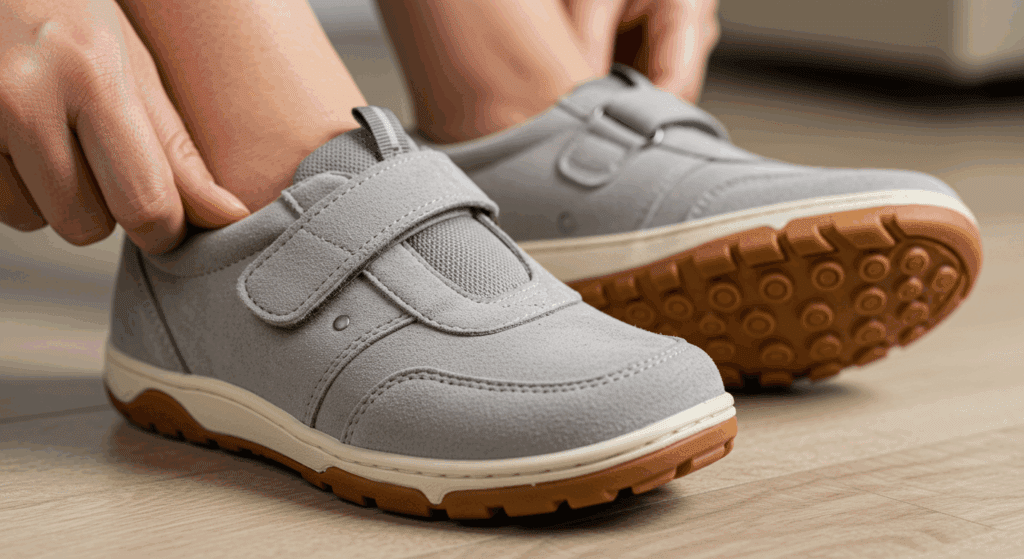
Choosing the right shoes is important for everyone, but for a person living with dementia, it becomes a critical part of their health and safety. The right pair can boost confidence, prevent falls, and provide all-day comfort. The wrong pair can lead to pain, anxiety, and serious injury.
This guide will walk you through everything you need to know to find the best, safest, and most comfortable shoes for your loved one.
This article will help you understand why footwear is so important for dementia patients. We will cover the key features to look for, the best types of shoes, and specific product recommendations. You’ll also find practical tips for fitting shoes and creating a safe walking environment at home.
Why Good Footwear Matters for Dementia Patients
As dementia progresses, it can affect a person’s balance, coordination, and ability to judge their surroundings. This makes them much more likely to fall.
- Falls are a major risk: According to the National Council on Aging, falls are the leading cause of fatal and non-fatal injuries for older Americans. For someone with dementia, a fall can lead to a broken hip, head injury, or a loss of independence.
- Comfort reduces agitation: Feet can swell and become sensitive. Uncomfortable shoes can cause pain that a person with dementia may not be able to communicate, leading to increased confusion, agitation, or refusal to walk.
- Promotes mobility and independence: Safe, comfortable shoes encourage your loved one to keep moving. Staying active is crucial for their physical health and mental well-being.
How to Pick Shoes for Dementia Patients: Key Features
When shopping, look for these essential features. They are designed to maximize safety and minimize frustration.
- Non-Slip Soles: The soles should provide a strong grip on both indoor floors (like tile or wood) and outdoor surfaces. Avoid shoes with smooth, worn, or hard rubber soles.
- Easy Closures: Laces are difficult to tie and can become a tripping hazard if they come undone. The best options are slip-ons, Velcro straps, or elastic laces. They are easy to put on and take off, promoting independence.
- Cushioned and Supportive: Look for good arch support and a cushioned insole. This absorbs shock with each step, reducing pain in feet, knees, and hips.
- Lightweight Design: Heavy shoes can make it hard to lift the feet, leading to a shuffling gait. Lightweight shoes make walking easier and less tiring.
- Secure Heel: A shoe should have a firm heel counter (the back part of the shoe) to provide stability and prevent the foot from slipping out.
- Breathable Material: Leather, mesh, and canvas allow air to circulate, keeping feet dry and preventing skin irritation.
The Importance of Comfortable Shoes for Seniors: Why a Proper Fit Matters
A proper fit is not just about comfort; it’s about health. As we age, our feet can change shape, flatten, and swell.
- Prevents Foot Problems: Shoes that are too tight can cause bunions, corns, and blisters. Shoes that are too loose can lead to friction and instability.
- Improves Circulation: Well-fitted shoes do not constrict the feet, promoting healthy blood flow.
- Directly Reduces Fall Risk: A shoe that fits well provides a stable base, helping to prevent trips and slips.
The Best Types of Shoes for Seniors With Dementia
Here are the most recommended categories of shoes for dementia patients.
Slip-On Shoes
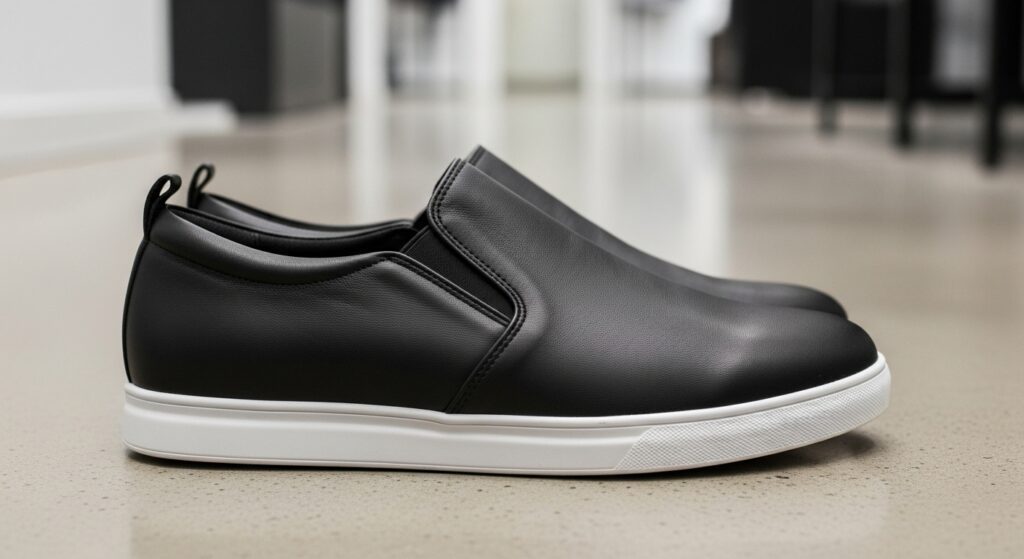
Slip-ons are fantastic for ease of use. Look for styles with elastic goring (stretchy panels on the sides) that make them easy to slide on while still holding the foot securely.
Velcro Shoes
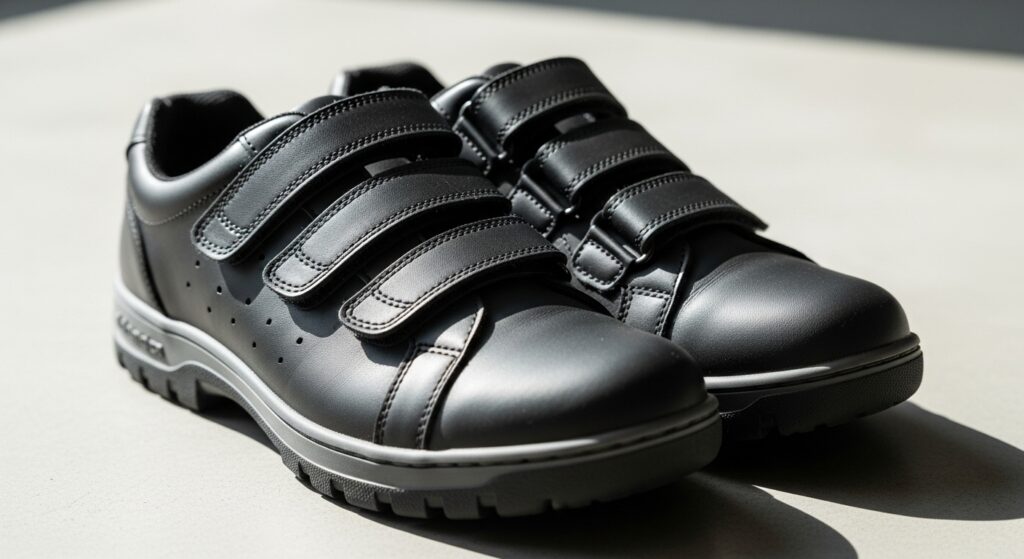
Velcro straps offer the adjustability of laces without the complexity. They are perfect for achieving a custom fit, especially if feet swell throughout the day.
Non-Slip Shoes
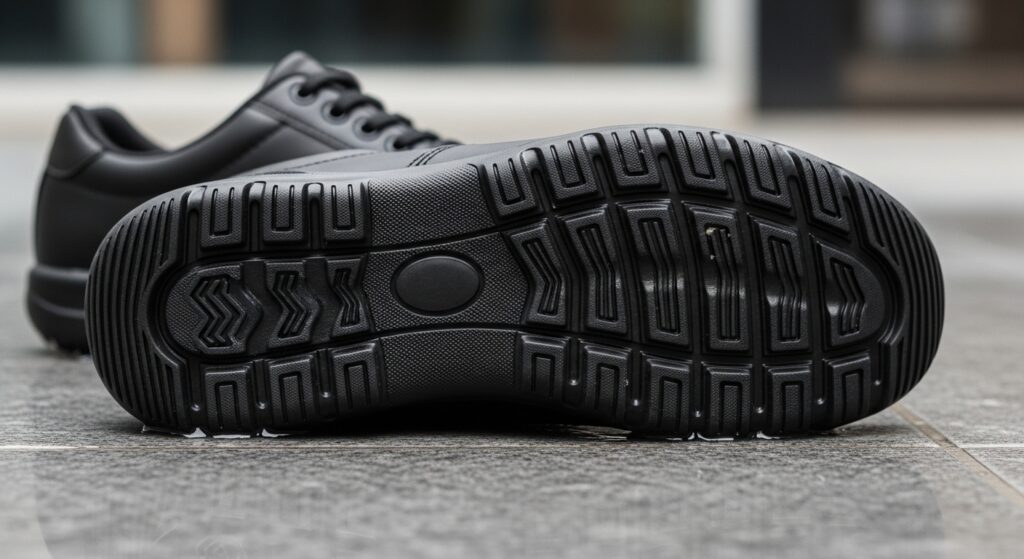
These shoes have soles specifically designed with a tread pattern that grips the ground. They are essential for walking on wet or shiny surfaces.
Wide-Fit Shoes
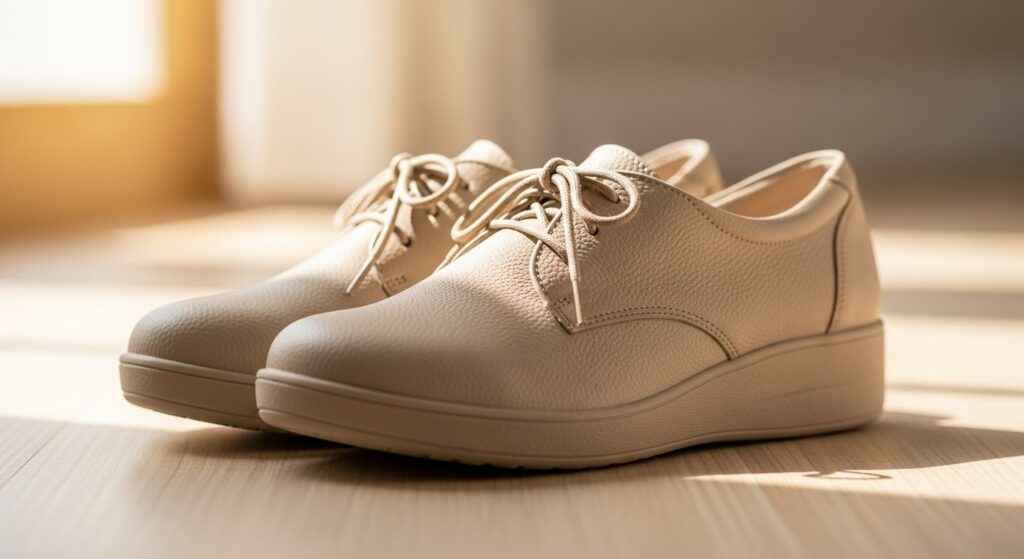
Many seniors need a wider toe box to accommodate swelling or foot conditions like hammertoes. Never squeeze feet into narrow shoes.
Lightweight Shoes
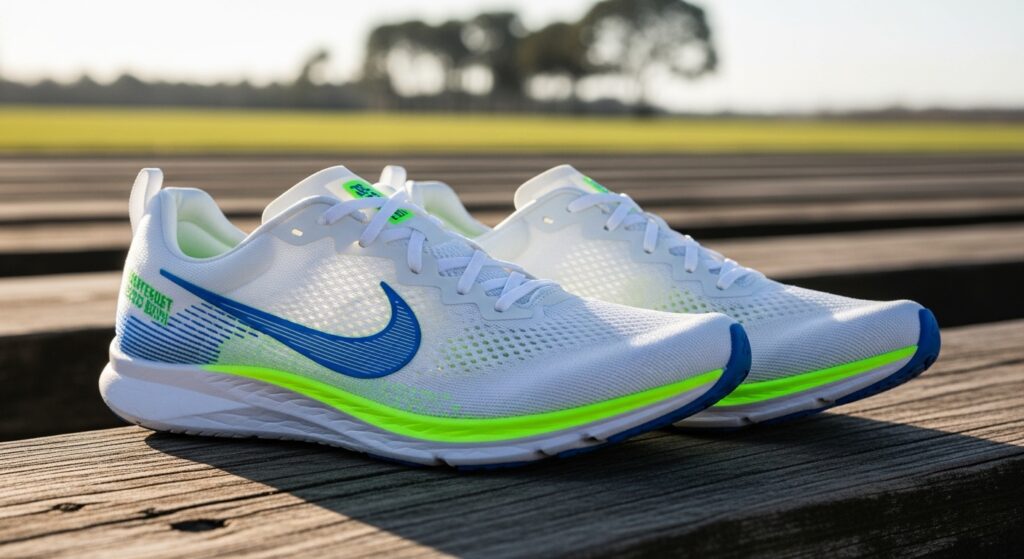
Lightweight walking shoes or sneakers reduce leg fatigue and make it easier to pick up the feet, preventing a shuffling walk.
Best Shoes for Seniors With Dementia
Here are a few specific shoes that are highly rated for their safety and dementia-friendly features.
Friendly Shoes – Voyage
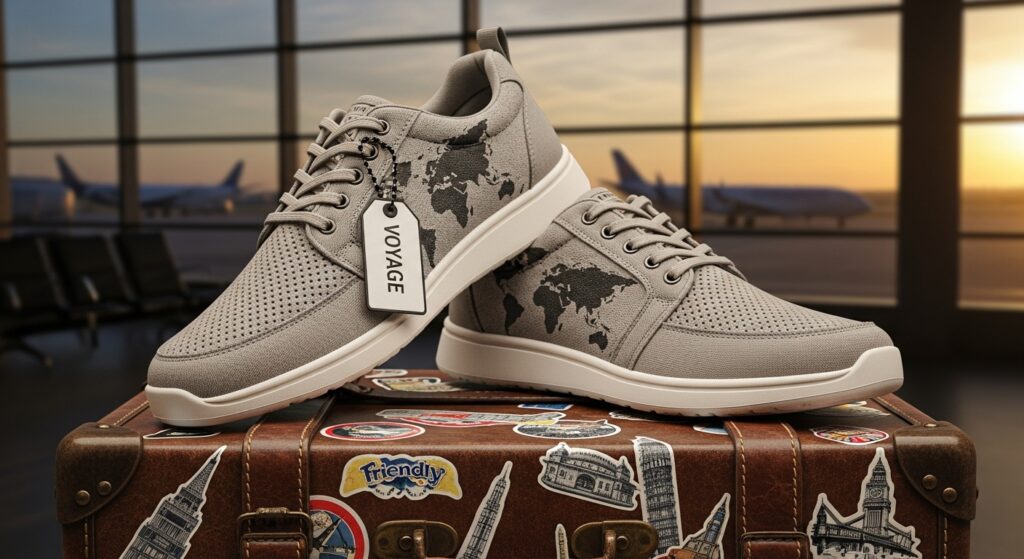
These shoes were designed with dementia patients in mind. They are 100% laceless, using a simple, single-pull stretch technology to get them on and off. They are also incredibly lightweight and have a non-slip sole.
New Balance 577Hv1 Hook and Loop Walking Shoes
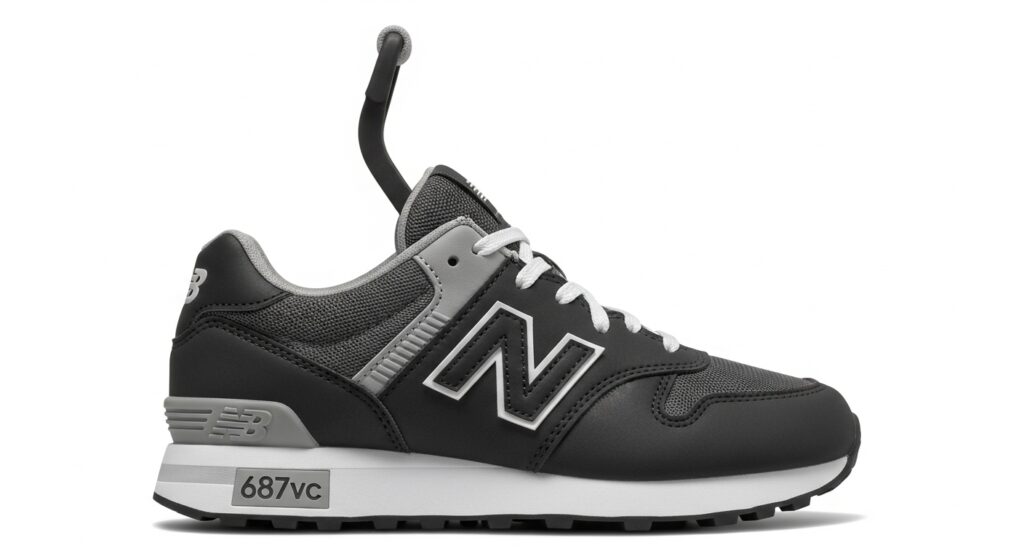
New Balance is known for its support. This model features a wide toe box, a sturdy Velcro strap for easy adjustment, and a durable rubber sole with excellent grip. It’s a great all-around athletic shoe.
Silverts Wide Ultra Lightweight Walking Shoes
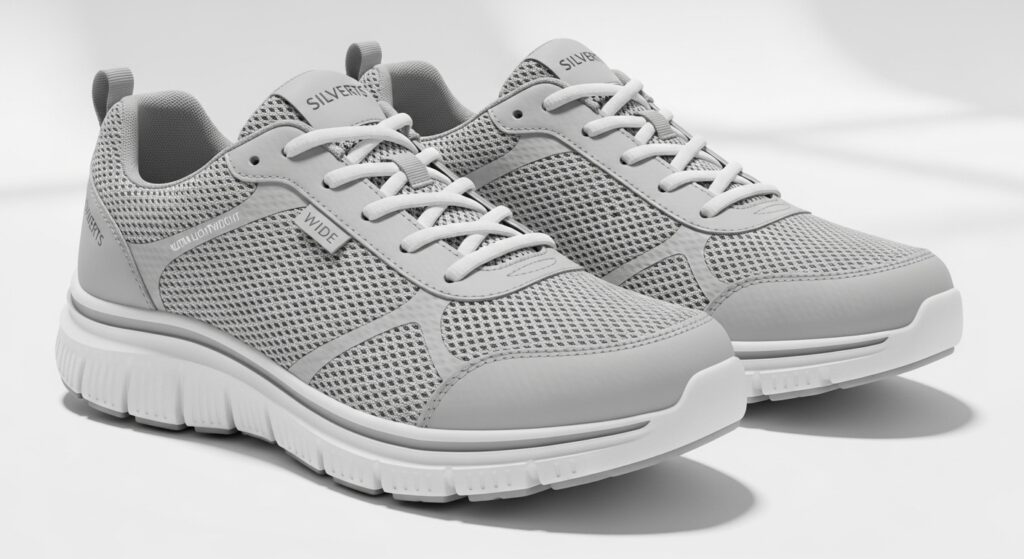
Silverts specializes in adaptive clothing and footwear. These shoes are exceptionally light, have a wide fit, and feature a hook-and-loop closure. They are designed for comfort and ease of use.
Tips for Ensuring a Proper Fit
Getting the right fit can be a challenge. Here’s how to make it easier:
- Measure Both Feet: Always measure the person’s feet later in the day when they are most likely to be swollen.
- Check for Space: There should be about a thumb’s width (1/2 inch) of space between the longest toe and the end of the shoe.
- Feel for Pressure Points: Have the person stand and walk in the shoes. Run your hand over the top and sides to feel for any areas that are too tight. Ask them if they feel any pinching.
- Prioritize Feel Over Size: Don’t get stuck on a number. Sizes vary by brand. Always go with what feels most comfortable, not what the size tag says.
Creating a Dementia-Friendly Walking Environment
Safe shoes are just one part of the puzzle. Make the home environment safe, too.
- Use Non-Slip Mats: Place non-slip mats or rugs with a grippy backing in bathrooms, kitchens, and other slippery areas.
- Improve Lighting: Ensure all hallways, stairways, and rooms are well-lit to help with depth perception and avoid shadows that can be confusing.
- Clear Pathways: Keep floors free of clutter, electrical cords, and loose rugs. Make a clear, wide path for walking.
Helpful Everyday Products
Beyond shoes, other products can enhance comfort and safety:
- Non-Slip Socks: These are excellent for wearing around the house. They have grippy dots on the bottom to prevent slipping on hard floors.
- Cushioned Insoles: If a shoe is generally comfortable but needs a little more support, a quality insole can make a big difference.
- Long-Handled Shoe Horns: These tools can make putting on shoes much easier for both the patient and the caregiver.
Womenswear
For women, look for styles that combine safety with a familiar, classic look. Many Velcro-strap sneakers and slip-on loafers come in a variety of colors like white, black, and navy. The key is to find a shoe that is easy to use without looking overly “medical.”
Menswear
For men, focus on practical and comfortable styles that are easy to manage. Slip-on casual shoes, Velcro athletic sneakers, and lightweight walking shoes are all excellent choices. Look for classic colors like black, brown, or grey that will match most outfits.
Let Our Care Assessment Guide You
Caring for a loved one with dementia is a journey with many questions. If you’re wondering about the broader responsibilities involved, you can learn more about who is responsible for dementia care. For many, this role falls to a spouse; find guidance on how to become a caregiver for a disabled spouse at home. You are not alone. If you need more personalized support, reach out to us today for a free, confidential care assessment. Our compassionate experts are here to help you navigate this path and ensure the best possible quality of life for your loved one.
Conclusion
Choosing the right shoes for a dementia patient is a simple but powerful way to show you care. By focusing on non-slip soles, easy closures, and a comfortable fit, you can significantly reduce the risk of falls, ease discomfort, and help your loved one maintain their mobility and independence for as long as possible. Remember, the goal is to make every step a safe and comfortable one. For more caregiver insights and product reviews, visit our complete guide to the best shoes for dementia patients.
Frequently Asked Questions (FAQs)
Q: How often should I check if my loved one’s shoes still fit?
A: It’s a good idea to check the fit every 3-6 months. Feet can change shape over time due to swelling, weight change, or the natural aging process.
Q: What should I do if my loved one refuses to wear shoes?
A: This is common. Try non-slip socks first to provide some safety. Identify why they are refusing—is it pain, confusion, or a dislike of the style? Sometimes, behaviors like dementia talking to themselves can also be a sign of discomfort or unmet needs. Opt for the softest, most flexible shoes you can find and try putting them on at a calm, quiet time of day.
Q: Are Crocs good for dementia patients?
A: While Crocs are lightweight and have some grip, they are often not the best choice. They can be too loose, lack proper support, and have no secure heel, which can increase the risk of tripping. A more structured shoe with a secure heel is generally safer.
Q: How can I tell if shoes are non-slip?
A: Look for soles made of rubber (not hard plastic) with a deep, multi-directional tread pattern. You can often find “non-slip” or “slip-resistant” explicitly stated in the product description.
Q: When is it time to consider more help?
A: If caregiving becomes overwhelming or your loved one’s safety is consistently at risk, it may be time to explore other options. Look for these 11 signs it might be time for assisted living. Remember, seeking support is a sign of strength. Connecting with others in similar situations through support groups for navigating dementia can be incredibly helpful.
