When a family member takes on the responsibility of caring for an aging parent, partner, or relative, they quickly discover that caregiving involves far more than managing medications and scheduling doctor appointments. It is a complex, evolving practice that draws on deep wells of patience, creativity, and love.
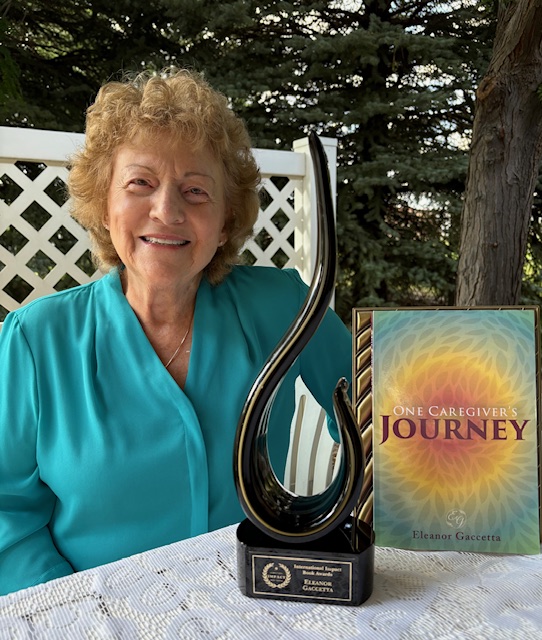
So, what is the art of caregiving? Understanding this process requires moving beyond task lists and medical procedures to recognize the human dimensions of this sacred work. Eleanor Gaccetta’s memoir One Caregiver’s Journey illuminates these dimensions through her nine-and-a-half-year experience caring for her mother. Her story reveals that caregiving, at its best, becomes an art form—one that transforms both the giver and receiver.
Beyond Tasks: The Heart of Caregiving
Many people approach caregiving as a series of tasks to be managed. They treat different activities as tasks to accomplish, nothing more. Medications must be given at specific times. Showers must happen. Meals must be prepared. Doctors must be visited. These tasks certainly matter, but they represent only the surface of true caregiving. The art lies in how these tasks are performed—the tone of voice used, the patience extended, the dignity preserved even in difficult moments.
Eleanor Gaccetta learned that compassionate caregiving means showing up consistently, even when exhausted, frustrated, or overwhelmed, during the years she spent caring for her mother. Hence, it means finding ways to stay firm, grounded, and calm at moments that could’ve sparked anger. Outbursts cannot solve problems.
The Unspoken Communication of Care
Words eventually fail in the caregiving journey—that is the reality. Dementia progresses. Hearing diminishes. Energy fades. Yet communication continues through touch, expression, and presence.
Gaccetta describes how her mother, in her final years, communicated primarily through singing—hours of Italian hymns and prayers delivered at full volume. Rather than becoming annoyed by the noise, she learned to hear her mother’s prayers as expressions of peace and connection.
Caregiver empathy skills develop through this non-verbal communication. A caregiver learns to read subtle changes in expression, to notice when silence indicates discomfort rather than contentment, to distinguish between different qualities of a sigh. This intuitive knowing cannot be taught in a manual; it emerges through attentive presence over time.
The art of caregiving includes knowing when to speak and when to remain silent. There are times when offering silence rather than words carries more weight, a significant calm for everyone. This level of responsiveness matters during factual conversations as well.
Adapting to Constant Change
Family caregivers quickly discover that no two days are alike. What worked yesterday may fail today. A loved one who walked independently last week may need assistance today. A medication that seemed effective may produce unexpected side effects. The art of caregiving involves constant adaptation, a willingness to release expectations and respond to what each new day brings.
This adaptability connects to emotional caregiving support that addresses not only physical needs but also the psychological and spiritual dimensions of aging. When a loved one can no longer recognize family members, the caregiver becomes the keeper of shared history, the one who holds memories for both. When confusion brings fear, the caregiver provides reassurance. When physical decline threatens dignity, the caregiver finds ways to preserve it.
The Humane Approach to Difficult Moments
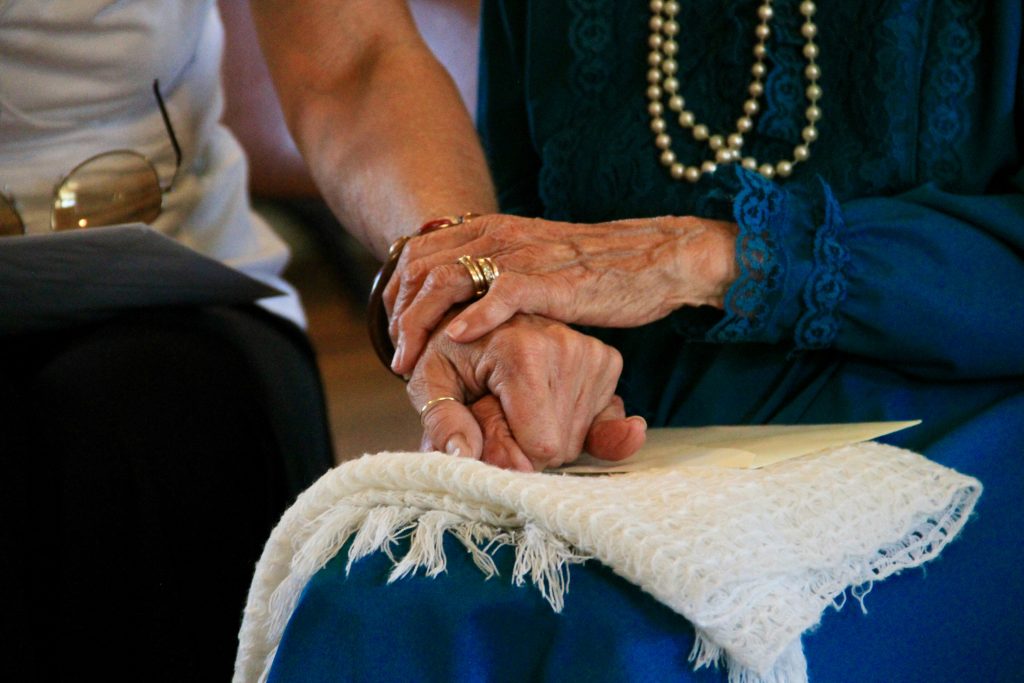
Caregiving inevitably involves challenging situations—bathroom accidents, repetitive questions, irrational demands, unruly behavior, sleepless nights. The art lies in how caregivers navigate these moments. A humane caregiving approach responds to difficulty with grace rather than frustration, recognizing that the loved one is not deliberately causing trouble but struggling with forces beyond control.
During moments of struggle and disorientation, caregivers must consider practical solutions that emerge from patient observation and creative problem-solving. One solution may not work for all caregivers out there; therefore, it is the prerogative of the caregiver to determine which technique can make the challenging moment doable or manageable.
Creating Meaning and Joy Amid Difficulty
Caregiving often focuses on problems—managing symptoms, preventing falls, addressing confusion. Yet the art of caregiving also involves creating moments of meaning and joy amid difficulty. Gaccetta describes small rituals that brought delight: fresh flowers always on the table, a stuffed bear named Bear-Bear who sat beside her mother on the couch, holiday decorations that transformed their home. These touches communicated love more powerfully than words ever could.
She also found ways to preserve her mother’s dignity and identity. Even as dementia progressed, she continued to color her mother’s hair, do her nails, and ensure she looked “puffed and fluffed” each day. This attention to beauty and presentation communicated that her mother remained valued, remained herself, even as memory faded. These intentional choices demonstrate the art of caregiving—creating meaningful experiences that honor the person, not just managing their condition.
The Caregiver’s Own Transformation
Perhaps the most profound dimension of the art of caregiving is its impact on the caregiver. The experience can teach the caregiver patience, resilience, and even love.
Limitations also exist in this sphere. The art of caregiving includes accepting the realities of life without bitterness and focusing on what can be given rather than what cannot be received.
The post-caregiving period brought its own challenges—reintegrating into a world that had changed dramatically, grieving the loss of daily purpose, adjusting to solitude. Gaccetta describes this transition honestly, acknowledging both the difficulties and the gradual emergence of new life. This honest reckoning with caregiving’s aftermath completes the artistic journey.
Lessons for Family Caregivers
Several insights from Gaccetta’s experience offer guidance for those beginning or struggling with caregiving:
1. Acceptance matters more than correction.
When a loved one with dementia says something inaccurate, gentle acceptance usually serves better than correction. Enter their reality rather than forcing them into yours.
2. Small joys sustain.
Fresh flowers, favorite foods, familiar music, a beloved stuffed animal—these small touches communicate love and create moments of happiness amid difficulty.
3. Routines provide stability.
Consistent schedules for meals, showers, and bedtime reduce confusion and anxiety for both caregiver and recipient.
4. Help exists in unexpected places.
Hospice, home health services, and community resources can provide support. Gaccetta’s decision to transfer her mother’s care to a physician house-calls service reduced stress dramatically.
5. Self-care is not selfish.
The caregiver’s well-being directly affects the quality of care provided. Exercise, meditation, and small breaks matter enormously.
6. Laughter lightens everything.
Finding humor in absurd situations—a mother wearing her daughter’s glasses, spitting seeds across the room, singing at full volume—makes difficult days bearable.
The Art of Loving Caregiving
Understanding what the art of caregiving is requires recognizing that family care extends far beyond task management into realms of creativity, empathy, and love. Eleanor Gaccetta’s One Caregiver’s Journey illuminates this art through honest, detailed storytelling that honors both the struggles and the gifts of caring for a loved one through decline to death.
The art of caregiving cannot be reduced to techniques or checklists. It involves learning to see beyond surface behavior to the person within, adapting constantly to changing circumstances, finding joy amid difficulty, and ultimately discovering that the caregiver receives as much as they give. So, if you have time, grab a copy of One Caregiver’s Journey today!