Photo by KATRIN BOLOVTSOVA
Why caregiving is emotionally demanding goes beyond the obvious physical work. You wake up each day knowing that another person depends completely on you for their health, safety, and dignity. This reality shapes every moment, and the emotional weight builds quietly, often without recognition from the outside world.
Understanding why caregiving is emotionally demanding requires looking at what family caregiving pressure actually feels like. The emotional toll starts the moment you take on this responsibility and often intensifies over time as needs grow and resources dwindle.
The Silent Burden of Constant Vigilance
Why caregiving is emotionally demanding becomes clear when you examine the mental load caregivers carry. You must anticipate problems before they happen. You watch for subtle changes in behavior or health. You hold space for someone else’s fears and confusion while managing your own. This caregiver stress factors in ways most people never see because caregivers don’t advertise their struggles.
The vigilance never stops. Even when you’re not physically present, your mind tracks their wellbeing. You wonder if they took their medication. You replay conversations searching for signs you missed something important. Understanding why caregiving is emotionally demanding means recognizing this mental weight. This constant mental engagement exhausts the mind in ways that feel invisible but cut deeply.
Emotional Labor That Goes Unnoticed
Why caregiving is emotionally demanding involves emotional work that society often overlooks. You become a translator, interpreter, and emotional anchor for your care recipient. You manage their moods, their fears, their resistance to help. You celebrate small victories that others might view as ordinary. You grieve the losses you witness day after day. The reality of why caregiving is emotionally demanding becomes picturesque when you recognize these daily sacrifices.
Your own emotions matter less in this equation. You postpone your feelings, shelve your needs, and show up with compassion even when you’re running on empty. Caregiver emotional healthsuffers because you’re constantly giving without receiving. You become the listener instead of the one being heard. You become the problem solver instead of the one sharing problems. This imbalance wears on your spirit in ways that are hard to name but impossible to ignore. Recognizing why caregiving is emotionally demanding helps validate these struggles.
The Isolation That Compounds Everything
Why caregiving is emotionally demanding includes the loneliness that accompanies the role. Your friends gradually fade from your life because you can’t commit to plans. Your partner feels distant because you’re too exhausted for real connection. Your siblings may not understand the weight you carry or may judge how you handle things. You become isolated not because you want to be but because caregiving leaves no room for a full social life. Family caregiving pressure intensifies when isolation removes your support network.
This isolation multiplies the emotional burden. You internalize your struggles. You convince yourself that others wouldn’t understand. You stop reaching out because you’re too tired to explain. You become convinced that no one else has felt this overwhelmed, this resentful, this guilty for resenting someone you love. The silence becomes its own kind of suffering. Few people grasp why caregiving is emotionally demanding until they experience it personally.
The Grief That Lingers
Why caregiving is emotionally demanding involves grieving losses before and after death. If you’re caring for someone with dementia or a progressive illness, you grieve the person they were while caring for the person they’ve become. You attend their funeral while they’re still alive, mourning the memories they’ve lost and the future that will never happen. This grief forms one of the most painful reasons why caregiving is emotionally demanding.
This anticipatory grief coexists with your caregiving duties. You must keep functioning while experiencing profound loss. You can’t take time to process because the person you’re grieving still needs you. This contradiction creates a kind of emotional injury that takes years to heal. Understanding why caregiving is emotionally demanding requires acknowledging this specific form of loss.
Why Caregiving Is Emotionally Demanding: Moving Forward with Support and Resources

Photo by SHVETS production
Understanding why caregiving is emotionally demanding is the first step toward getting help. You need to know that your feelings are legitimate. Caregiver burnout isn’t weakness. It’s a normal response to an abnormal situation. You deserve support, rest, and recognition for what you’re doing.
Many resources exist to help you navigate this journey. The Caregiver Action Network offers practical tools, support groups, and education programs designed specifically for people in your situation. You can find comprehensive guidance on caregiver wellbeing and stress management at https://www.caregiveraction.org/. Additionally, the National Alliance for Caregiving provides evidence based information and resources to help you understand your role and access community support at https://www.caregiveract.org/.
If you’re feeling the weight of why caregiving is emotionally demanding, know that your experience mirrors millions of others facing similar challenges.
You’re not alone, even when it feels that way.
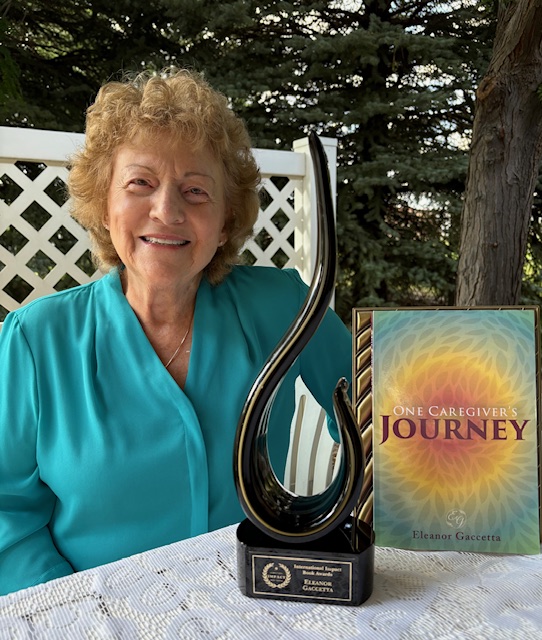
Reading “One Caregiver’s Journey” by Eleanor Gaccetta can help you feel less isolated. Through her honest, warmhearted memoir, Gaccetta shares nine and a half years of caring for her mother, capturing both the heartbreak and the unexpected moments of joy. She offers practical advice, emotional validation, and the sense of companionship that comes from reading someone else’s real story.
If you’re a caregiver seeking understanding, comfort, and practical wisdom, this book belongs on your shelf. Grab your copy of “One Caregiver’s Journey” today! The book is also available on Amazon and Barnes & Noble.