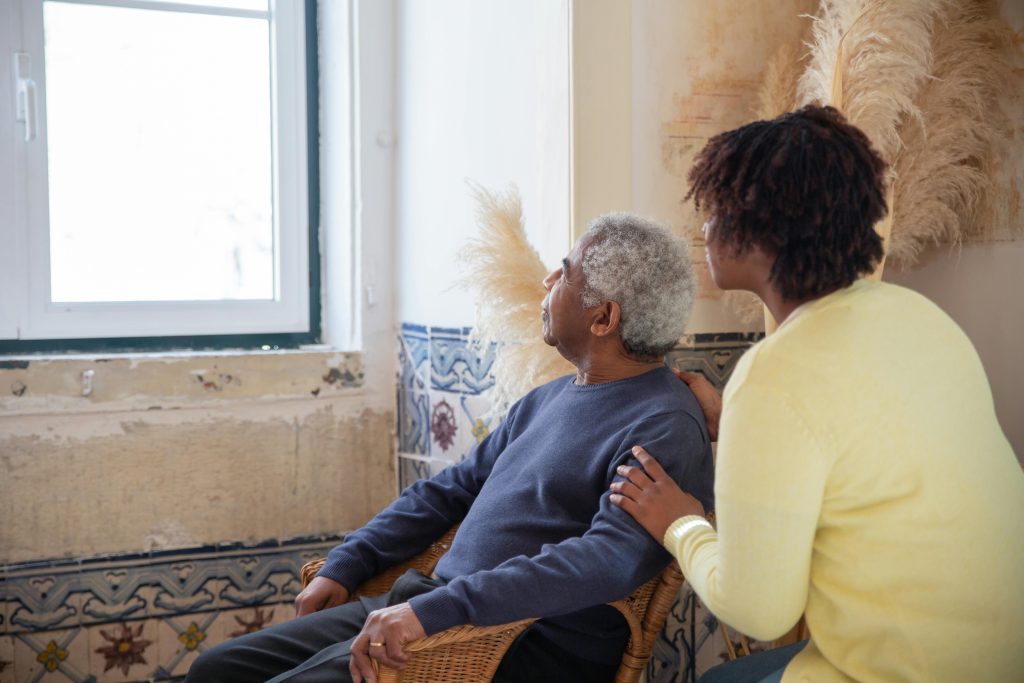
When families take on the responsibility of caring for aging loved ones, they quickly encounter questions that go far beyond practical task management. How does one bathe a parent without causing embarrassment? How does one respond to confusion without diminishing the person’s sense of self? How does one maintain respect through months or years of intimate, sometimes undignified circumstances?
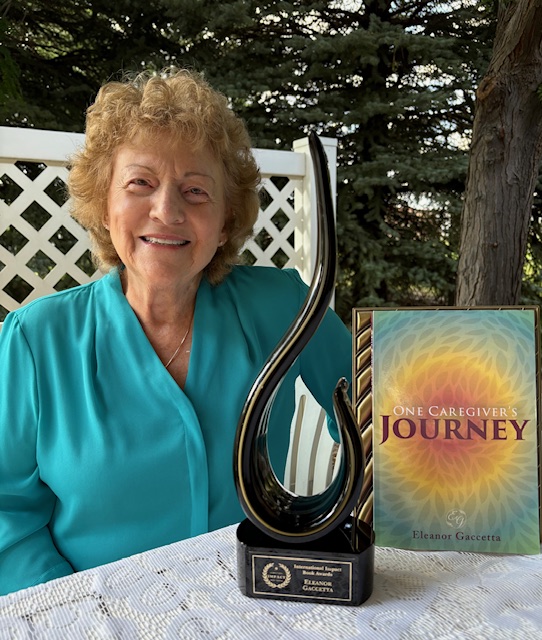
These questions point toward the deeper dignity in caregiving meaning that distinguishes mere task completion from genuine humane care. Through Eleanor Gaccetta’s remarkable memoir, One Caregiver’s Journey, readers come to understand dignity in a most sincere and moving way. It’s a daily practice woven into the smallest interactions and conversations.
Beyond Physical Care: The Dignity Imperative
Many discussions of caregiving focus on practical tasks—medication management, fall prevention, nutrition, communication, and hygiene. These activities and tasks certainly matter, but they represent only one dimension of care. The deeper work involves preserving the personhood of someone whose capacities are diminishing, whose independence is fading, whose very identity is threatened by illness or age. It is a race against time and memory.
In any circumstance, when a person starts failing at the simplest tasks, another person has to step in and implement the necessary changes and adaptations. From moving houses to doing errands, sometimes, sacrifices must be made for the comfort of the other person. These responses reflect respectful caregiving that sees beyond immediate needs to the person’s experience of those needs. In this moment, looking beyond the next few weeks matters the most to all those involved—it’s looking at months and years of adjustment and resilience.
Small Acts, Great Significance
Dignity in caregiving often manifests through small, seemingly insignificant choices. For instance, continuing to color the hair or paint the nails of the person might seem simple. But it is a routine that reminds the other person that they are still present, even with daily struggles and problems.
To an outsider, these efforts might seem frivolous—unnecessary additions to an already demanding routine. However, this activity matters to a person’s sense of self. Looking good meant feeling good. And when the person feels great about their appearance, their attitude and outlook in life changes. This attention to presentation exemplifies patient dignity support that honors the whole person, not just their physical needs.
In another example, the person might receive gifts that remind them of their childhood and personality. The caregiver should honor the significance of the gifts as they become part of the person’s life and daily routine. This simple act of acceptance can go a long way.
Responding to Vulnerability with Grace
Caregiving inevitably involves moments of profound vulnerability—times when the loved one cannot control bodily functions, cannot remember basic information, cannot perform once-simple tasks. How caregivers respond in these moments shapes whether the experience preserves or damages dignity.
In the book, Gaccetta describes her approach to bathroom accidents with remarkable equanimity. Rather than expressing disgust or frustration, she simply cleaned, changed sheets, and moved forward. She kept Clorox handy, used carpet cleaner formulated for pets, and maintained a matter-of-fact attitude that communicated these events were not shameful. This response reflects humane caregiving values that treat every aspect of the person’s experience with respect.
When her mother began spitting food across the room, a behavior that might provoke anger in many families, she recognized this as a symptom of her condition rather than intentional misbehavior. When her mother asked her to go to bed at 4 p.m. and repeated the question hundreds of times before her actual bedtime, she learned to respond with patience rather than irritation. Each response communicated that her mother remained worthy of respect regardless of her behavior.
Preserving Identity Through Memory Loss
Perhaps the greatest challenge to dignity in caregiving comes when dementia erodes the person’s memory and sense of self. How does one honor someone who no longer recognizes family members, who cannot remember recent conversations, who lives increasingly in a world separate from objective reality?
In many cases, the person needing care can make factual errors, question reality multiple times, and be emotionally unstable. The caregiver has to be more patient and understanding when this happens. Correcting errors, arguing about reality, and controlling emotions do no good.
This approach reflects dignity-preserving care that prioritizes emotional well-being over factual correctness. The goal becomes comfort rather than accuracy, connection rather than correction. In this moment, the person’s experience matters more than the rightness of things.
Creating Beauty and Meaning
Dignity in caregiving also involves creating environments and experiences that affirm the person’s value. For example, the caregiver can add fresh flowers to the bedroom, decorate the space during occasions or holidays, and place memorabilia on tables and cabinets. These touches communicated beauty and meaning, countering the ugliness that illness and decline can bring.
When decline happens and diseases progress, it’s important to keep the person’s roles going, even when it seems simple. The person may continue folding clothes, listening to the radio or television, or watching the birds outside. By still doing these things, it reminds the person that, despite the decline, they are breathing and living for the moment.
These practices reflect compassionate caregiving ethics that recognize human worth as inherent rather than earned. Just by being there, the person feels loved, present, and alive.
Lessons for Preserving Dignity
Several insights from Gaccetta’s experience offer guidance for those seeking to preserve dignity in their own caregiving:
1. See the person, not just the condition.
Behind every behavior, every limitation, every challenging moment is a human being worthy of respect. Hold that truth constantly.
2. Honor what matters to them.
Whether a stuffed bear, a notebook, fresh flowers, or daily makeup, the small things that bring joy or comfort deserve attention and respect.
3. Respond to vulnerability with grace.
How you handle accidents, confusion, and difficult behaviors shapes whether your loved one feels ashamed or accepted.
4. Enter their reality when necessary.
For those with dementia, emotional truth often matters more than factual accuracy. Comfort them where they are rather than forcing them to where you are.
5. Create environments of beauty and meaning.
Surroundings communicate worth. Maintain spaces that affirm your loved one’s value.
6. Involve them in whatever they can do.
Folding towels, watching birds, and making simple choices—these activities preserve identity and purpose.
The Dedication of a Caregiver
The true dignity in caregiving meaning emerges not in grand gestures but in thousands of small choices made over months and years of dedicated care. Eleanor Gaccetta’s One Caregiver’s Journeyshowcases that preserving dignity requires seeing beyond tasks to the person, responding to vulnerability with grace, honoring what matters to the loved one, and creating environments that affirm worth.
For anyone embarking on or struggling with the caregiving journey, Gaccetta’s example offers both inspiration and practical wisdom. If you’d like to get a copy of this brilliant book, grab a copy of One Caregiver’s Journey today.