Photo by Vitaly Garlev
Drawing the line between care and self-preservation is important.
Caregiving changes everything about daily life. Your schedule, your relationships, and your identity all begin to shift.
One day you are living for yourself, and the next day you answer to someone else’s constant needs.
Drawing the line between what you can handle and what you can’t is not optional. Caregiver boundaries with family protect both your health and sanity. Without these boundaries, you will burn out completely–and that’s a certainty.

Photo by magnific
Many caregivers have it in them to think they must do everything alone.
This thinking damages both mind and body, and the cost of ignoring boundaries is severe. Bound by some unattainable idea of perfection, caregivers often skip meals and lose sleep. They stop seeing friends and abandon hobbies.
Over time, these habits lead to depression and chronic illness.
Family caregivers have higher rates of these problems than people who don’t provide care.
Learning where to draw the line prevents this suffering. Will you accept less than you deserve? Will you protect your well-being or sacrifice it?
Drawing the line is not selfish because it is where sustainable caregiving is founded. It’s only with clear boundaries that your health is protected and your relationships are preserved. They help you give the best possible care to your loved one.
When you know where to draw the line, you can continue caring without losing yourself.
Drawing the Line with Family Members
Start drawing the line early. Setting firm limits means telling relatives what you can and cannot do. This conversation may seem hard, but it is definitely necessary. Remember that many relatives don’t understand how much caregiving demands; they know it’s important, but they need you to explain your situation clearly.
Having clarity helps everyone understand the situation more broadly.
When you’ve made things clear, you can also move on to expanding your boundaries. Defining healthy limits also means delegating tasks. If a sibling asks how to help, give them a specific job. It could be picking up groceries, handling one doctor’s appointment, or staying with your loved one for two hours on Saturday.
These small acts of sharing lighten your load while also helping relatives understand what caregiving truly involves.
Family members often have strong opinions about caregiving, offering advice without offering help and criticizing your choices from a distance. You should learn how to stand firm with relatives. This also protects you from their expectations and guilt, especially when some relatives will push back against your boundaries. They may make you feel guilty or say you’re not doing enough.
Do not let these comments change your mind.
You know your limits better than anyone. Caregiver boundaries with family are not negotiable when they’re protecting your health.
Many caregivers worry about seeming selfish, fearing that drawing the line will make them look uncaring. The exact opposite is true: setting firm limits keeps you healthy enough to provide good care.
You cannot pour anything from an empty cup, after all.
Knowing when to say enough is enough protects everyone involved.
Standing Firm During Difficult Times
Caregiving can feel very lonely: friends stop calling, your social circle shrinks, and the work never ends.
Watch for warning signs that you have crossed your boundaries. Are you always tired? Do you feel angry or resentful? Have you stopped doing things you enjoy? These are signs that you have given too much.
When you notice them, it is time to draw the line again.
Saying no is an important skill you must learn. Start with small refusals. “No, I cannot make that dish for the family dinner.” “No, I cannot watch the kids this weekend.” Each time you say no, you protect your energy, and constant practice only makes this easier over time.
Knowing when enough is enough is vital to keeping sane and steady. Not only does it free you of unnecessary burdens, but it also means recognizing that you have reached your limit and need to adjust.
Check in with yourself regularly: ask yourself how you’re doing and what you need to relax. These questions keep you connected to your own needs.
Accepting help is part of knowing when enough is enough. You can’t do everything. No one can, so when someone offers assistance, take it. Say yes to meal delivery, respite care, or help with errands.
These small acts of acceptance are not weakness.
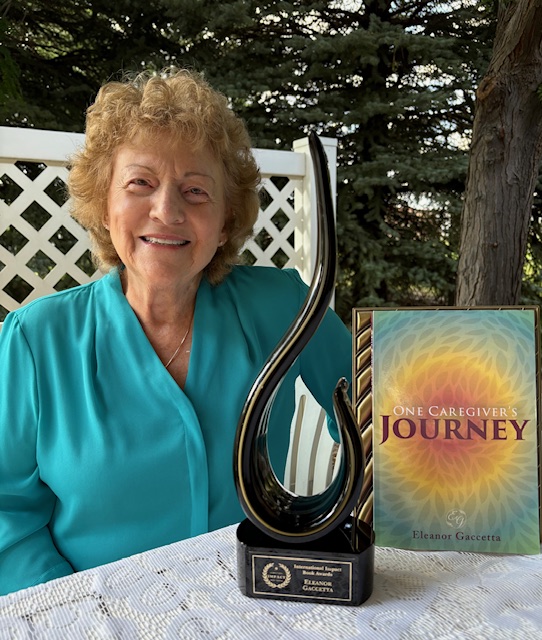
Eleanor Gaccetta writes about this in One Caregiver’s Journey. After nine and a half years as a sole caregiver, she reached the point where she needed professional support. Drawing the line meant accepting hospice care for her mother.
Her mother passed peacefully at home with dignity.
This outcome came from knowing when to accept help from others.

Photo by pch.vector
Drawing the Line for Your Own Health
Your health is just as important as your loved one’s health. As such, schedule time for yourself like you might schedule medical appointments. These breaks aren’t optional. They are part of your care plan and are essential.
Whether it is 15 minutes of quiet or a full day away, time for yourself keeps you going.
Exercise and sleep must become non-negotiable parts of your routine. Caregivers often sacrifice these basics, thinking that they can always catch up on some days. This choice is one that leads to exhaustion and illness.
Standing firm means protecting your sleep and physical activity even when life feels chaotic.
Setting clear boundaries also means knowing when to step back from certain tasks. You do not have to do everything perfectly. Good enough care is better than perfect care that destroys you. Define what is essential and let the rest go.
This is part of drawing the line that many caregivers overlook.
Forgiving yourself is part of this process. You may feel guilt or anger about your caregiving years. You may regret lost opportunities.
Let go of these feelings.
You did what you could with what you had, and that’s enough.
Your caregiving experience has changed you. You have learned patience, strength, and compassion.
Use these gifts as you move forward.
Continue to set boundaries that protect your well-being.
You deserve a happy life after giving so much to someone else.
For more wisdom on setting boundaries and navigating the caregiving journey, get a copy of Eleanor Gaccetta’s One Caregiver’s Journey.