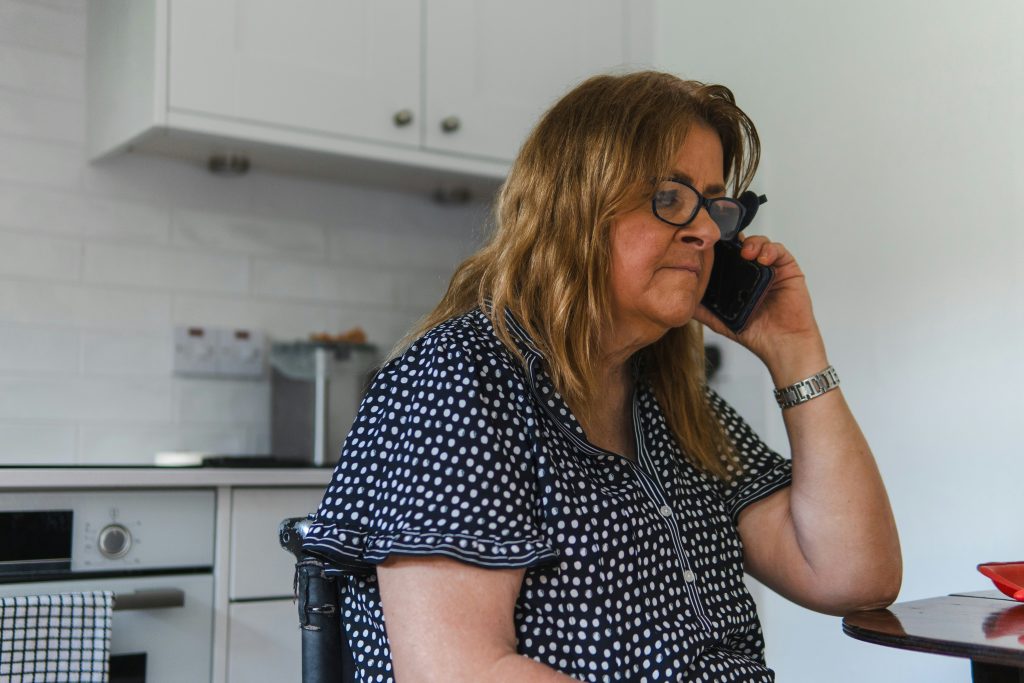
Millions of adults find themselves caring for aging parents who live hours or states away. This arrangement, born of career demands, geographic mobility, and family circumstances, presents unique difficulties that local caregivers never face. Understanding the long-distancecaregiving challenges that arise when miles separate caregivers from loved ones is essential for anyone navigating this demanding role.
This article examines the struggles caregivers face due to distance and the effect it has on the relationships around them.
The Emotional Toll of Distance
Perhaps the most profound difficulty facing long-distance caregivers is emotional. They cannot simply walk into the next room to check on their loved one. They cannot observe subtle changes in appearance, mood, or behavior that might signal developing problems. They cannot offer spontaneous comfort or share unplanned moments of connection.
This separation generates constant worry. Is Mom eating properly? Has Dad taken his medications? Did that cough last week indicate something serious? These questions linger unanswered between phone calls and visits, creating background anxiety that never fully dissipates. The remote caregiving stress of not knowing what is happening day to day weighs heavily on even the most organized distance caregivers.
And so, distance caregivers must piece together this information from secondhand reports, often missing the gradual deterioration that those on-site would notice immediately.
Coordinating Care from Afar
Effective caregiving requires coordination with multiple individuals—healthcare providers, home health aides, neighbors, and other family members present in the area or closer to home. For local caregivers, this coordination happens organically through regular presence and relationship-building. For distance caregivers, it requires intentional effort and often falls short.
A distance caregiver must identify and vet local resources without being able to observe them directly. They must communicate care preferences to professionals they may never meet. They must trust strangers with their loved one’s well-being while remaining hours away. This arrangement demands significant research, multiple conversations, and a leap of faith that proximity would make unnecessary.
The coordination burden intensifies during medical crises. When a parent is hospitalized, the distance caregiver cannot be present for doctor conversations, cannot advocate in person, and cannot observe care quality directly. They must rely on phone updates and hope that their concerns are being communicated and addressed. This lack of presence during critical moments ranks among the most painful aging parent distance care experiences.
The Travel Burden
Distance caregiving inevitably involves travel—and lots of it. Regular visits require time off work, financial resources for transportation and lodging, and physical energy for the journey itself. Emergency visits occur without warning, disrupting work and family obligations on short notice.
The travel burden falls unevenly. Those closer may visit more frequently; those farther may make fewer but longer trips. Either pattern creates stress. Frequent trips exhaust time and financial resources. Extended trips require prolonged absence from the job and immediate family, creating strain in multiple directions.
Distance caregivers must calculate each visit’s feasibility against competing demands, knowing that their presence matters enormously but cannot be sustained continuously. These calculations generate guilt regardless of the choices made.
Communication Limitations
Phone calls and video chats provide connection across miles, but they cannot substitute for in-person presence. A parent may minimize difficulties during a call to avoid worrying the distant child. Subtle changes in cognition may not be apparent through conversation. The full picture of a person’s daily life remains obscured.
Hence, distance caregivers develop strategies to work around these limitations. They may schedule calls with other local contacts who can report observations. They may ask specific questions designed to elicit information the parent might not volunteer. They may look for patterns across multiple reports rather than relying on any single source.
Yet these strategies remain imperfect. Senior monitoring strategies like medication dispensers with remote alerts, motion sensors, and video doorbells can supplement human observation, but they cannot replace the nuanced understanding that comes from daily presence. A sensor can report that the front door opened; it cannot report whether the person who opened it seemed confused or frightened.
Guilt and Its Many Forms
Guilt permeates the distance caregiving experience. Guilt about not being present. Guilt about missed signs of decline. Guilt about enjoying life while a parent struggles. Guilt about the burden falling on local siblings. Guilt about career demands that limit availability. Guilt about financial constraints that restrict travel.
This guilt serves no productive purpose but proves difficult to escape. It whispers during quiet moments, amplifies during crises, and lingers after the caregiving journey ends. With that, distance caregivers must actively work to counter guilt with realistic self-assessment and acceptance of limitations beyond their control. The distance is making family caregiving difficulties harder to bear.
Technology as Bridge and Barrier
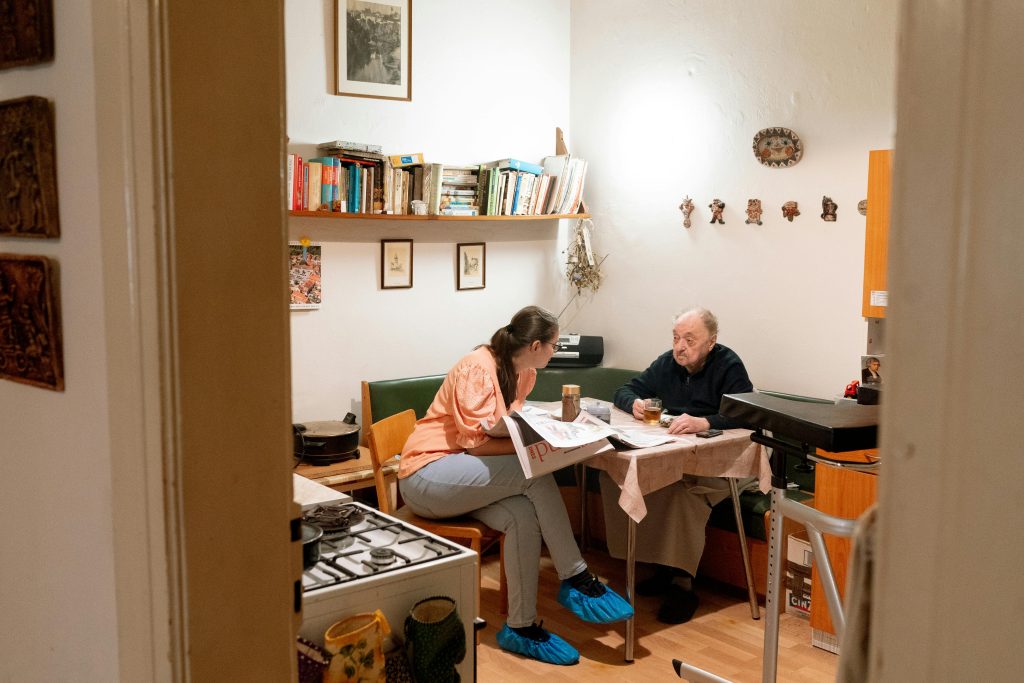
Technology offers tools that can bridge distance—video calls, monitoring systems, medication reminders, and medical alert devices. These tools provide information and connections impossible in earlier eras. Although they also create new challenges.
Parents may resist technology or struggle to use it effectively. Systems may malfunction or generate false alarms. Information without context can create anxiety rather than relief. The distance caregiver must navigate these complications while managing their own technical limitations and the inevitable gaps between what technology can report and what a human observer would notice. Distance caregivers must assemble and maintain technological supports while recognizing that these tools supplement rather than replace human presence.
Finding Support from Afar
Caregiving is isolating, even when living with the care recipient. Distance caregiving adds another layer of isolation. Local support groups may not welcome those who do not live in the area. Online communities offer connection, but cannot provide the practical help that nearby caregivers can.
The distance caregiver manages alone much of the time, making decisions without input, worrying without reassurance, and working without breaks. This isolation compounds the emotional challenges of caregiving and increases the risk of burnout. And so, distance caregivers must intentionally build their support networks, recognizing that isolation threatens their ability to sustain care over time.
The Decisions of the Caregiver
The long-distance caregiving challenges that separate caregivers from loved ones create unique emotional, logistical, and practical difficulties that local caregivers never face. In comparison to Eleanor Gaccetta’s One Caregiver’s Journey, the difference is fascinating.
Despite the contrast between the two, caring for a loved one going through decline or disease remains a genuine expression of love and commitment. Millions manage this demanding role, finding ways to provide meaningful care despite miles of separation. They navigate guilt, coordinate from afar, travel when possible, and maintain connection through every available means.
If you want to read about Eleanor Gaccetta’s experience as a hands-on caregiver for her mother, grab a copy of her book, One Caregiver’s Journey, today!