A woman experiencing stress | Image Source: Pexels
The alarm clock reads 3:00 AM in glaring red. Another restless night slips away, and the day ahead promises more of the same—endless tasks, mounting body fatigue, and the incredible weight of sole responsibility. The cycle is frustrating and exhausting, but you continue. The willingness remains strong despite the body’s demands to surrender.
For millions of solo caregivers carrying their patients, this scenario is a persistent reality. It happens every day, but with slight variations. And so, understanding why solo caregivers experience burnout is essential to helping and supporting caregivers.
According to the 2025 AARP and National Alliance for Caregiving report, 63 million Americans now serve as family caregivers, representing a 45% increase over the past decade. Among them, 43 percent are the sole providers of care with no backup support. This means nearly half of all caregivers carry the full weight of responsibility entirely on their own shoulders. When a person is the only one providing care, the risks of physical, emotional, and mental exhaustion multiply exponentially.
The Hidden Crisis: A Closer Look at the Numbers
The statistics paint a sobering picture. A 2025 umbrella review of meta-analyses found that among informal caregivers, the median prevalence of depression reached 33 percent, anxiety affected 35 percent, and overall caregiver burden impacted nearly 50 percent—all higher than rates observed in the general population. Perhaps most striking, 78 percent of family caregivers report experiencing burnout, with many describing it as a weekly or daily occurrence.
Stress and anxiety affect 87 percent of caregivers at some point during their role, and more than half experience these challenges at least weekly. These are not fleeting moments of difficulty. They are persistent, recurring battles that solo caregivers face without the buffer of shared responsibility.
Why Solo Caregivers Are Vulnerable
The Absence of a Relief System
When a caregiver operates alone, there is no one to step in during moments of crisis or weariness. There is no one to share the midnight calls, the emergency room visits, or the difficult medical decisions.
This solo caregiving strain accumulates over time, begging to be released. In the end, the caregiver, who is often isolated, always feels overwhelmed by all minor and major happenings.
The Erosion of Personal Identity
Many solo caregivers once had careers, hobbies, and social circles. Over time, these elements of identity gradually fade as their focus shifts to the person they’re caring for.
Caregiver isolation burnout become particularly acute for those who provide care alone. Without colleagues, friends, or family members to share the experience with, solo caregivers can feel completely cut off from the world. Ultimately, loneliness and despair will follow them.
The Physical Toll of Unrelenting Demands
Caregiver emotional exhaustion is well documented in various studies, as previously shown in another section of this article. For solo caregivers, this exhaustion is compounded by physical fatigue and the absence of any meaningful rest. They are often on high alert, thinking about the welfare of the person they’re caring for.
Moreover, the physical demands of lifting, bathing, feeding, and managing medications take a cumulative toll on the body. Even before their bodies can recover, caregivers are doing demanding physical activities once again.
The Financial Strain
Caregiving frequently requires reducing work hours or leaving the workforce entirely. For solo caregivers, who often rely on a single income, this financial pressure adds another layer of stress.
With social isolation in the bag, the added economic pressure makes life more difficult for the caregiver.
The Mental Fog of Chronic Stress
When the brain is constantly operating in crisis mode, cognitive function suffers. Caregiver mental fatigue manifests as difficulty concentrating, forgetfulness, poor decision-making, and a sense of being perpetually overwhelmed.
When a caregiver is always stressed, they are likely also anxious and mentally fatigued. The outcome is usually a person who is burned out and at the point of giving up.

Solutions: Protecting Solo Caregivers from Burnout
Build a Support Network Before It Is Needed
In many instances, solo caregivers do not seek help until they are already in crisis. The time to build a support network is before it becomes essential. This might include family members, friends, neighbors, or community resources. Even having one person who can provide a few hours of respite each week can make a meaningful difference.
Utilize Respite Care Services
Respite care provides temporary relief for caregivers. This might involve hiring a home health aide for a few hours, using adult day care services, or exploring short-term residential facilities. While such options are not yet widely available, the growing recognition of caregiver burnout may drive change.
Prioritize Self-Care Without Guilt
Solo caregivers often feel guilty about taking time for themselves. But self-care is necessary for someone who is providing care for another. In this sense, caregivers need to maintain their own health through exercise, proper meals, and socializing. A 15-minute break to meditate can bring wonders to the caregiver’s mind. If the caregiver can find time, they can read a book to their liking.
Additionally, setting firm boundaries with family members and delegating daily responsibilities can help prevent burnout. It’s important to make it clear that other members can help with different activities.
Seek Professional Support
Therapy, support groups, and caregiver counseling can provide essential outlets for processing emotions. Many caregivers find that speaking with others who understand their experience reduces feelings of isolation. Online communities can also offer connection for those unable to leave home.
Consider Alternative Care Arrangements
As Professor Lee notes, “If it becomes too overwhelming, moving the patient to a facility is an option.” This is not a failure. It is a recognition that sustainable care sometimes requires professional support. A healthy caregiver ensures a healthy patient.
Supporting Solo Caregivers
The caregiver’s journey is one of profound love and sacrifice. But love alone cannot sustain a person through months or years of unrelenting demands. So, solo caregivers need support, resources, and permission to care for themselves as diligently as they care for others.
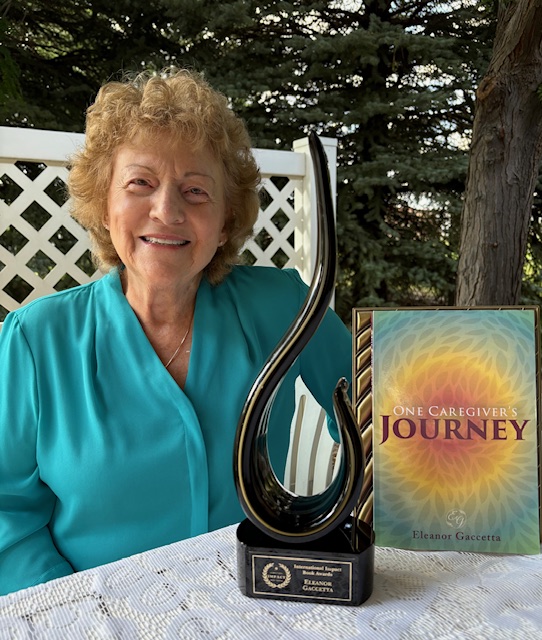
For those who want to understand this journey more deeply—the daily realities, the hidden struggles, and the moments of unexpected grace—One Caregiver’s Journey by Eleanor Gaccetta shows an intimate, honest account of what it truly means to care for a loved one alone. Through this book, readers welcome hard-won insights and wisdom about the struggles of being a caregiver.
Learning from someone who has walked through the caregiving path is an eye-opener. If you’re interested in this brilliantly written book, grab a copy today.